
Headline
The Gulf of Mexico dead zone is larger than ever. Here’s what to do about it.
Gulf of Mexico
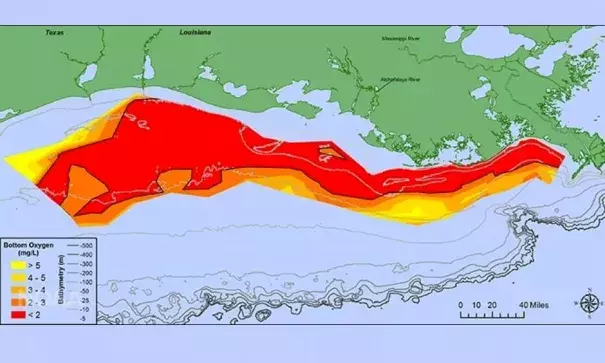
At 8,776 square miles, this year’s dead zone in the Gulf of Mexico is the largest ever measured. Image: N. Rabalais, LSU/LUMCON
The size of the Gulf of Mexico dead zone fluctuates annually, but increased precipitation this year amplified runoff. The result is an oxygen-depleted area almost 50 percent larger than what has been seen on average for the past five years.
...
And though the oxygen loss is temporary, the effects can be permanent. “We have good evidence it is chronically affecting the reproduction of certain species,” said Robert Magnien, an algal bloom expert with the National Oceanic and Atmospheric Administration. Models predicting what will happen if the dead zone persists show that species are likely to decline, added Alan Lewitus, who also studies nutrient pollution at the agency.
Related Content
Science Source
| Estuaries and Coasts
Modeling the Population Effects of Hypoxia on Atlantic Croaker (Micropogonias undulatus) in the Northwestern Gulf of Mexico: Part 2—Realistic Hypoxia and Eutrophication
Kenneth A. Rose, Sean Creekmore, Dubravko Justić et al
Headline
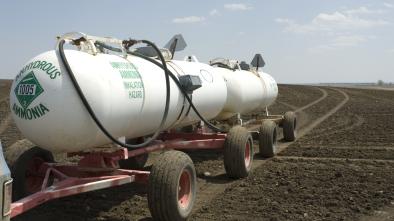
Aug 21, 2017 | NPR.org
Can Anyone, Even Walmart, Stem The Heat-Trapping Flood Of Nitrogen On Farms?
Headline
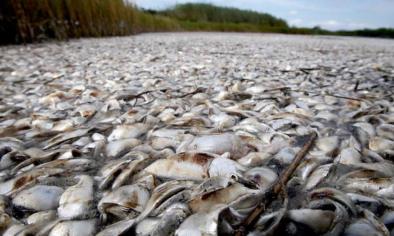
Aug 21, 2017 | The Guardian
Meat industry blamed for largest-ever 'dead zone' in Gulf of Mexico
Headline
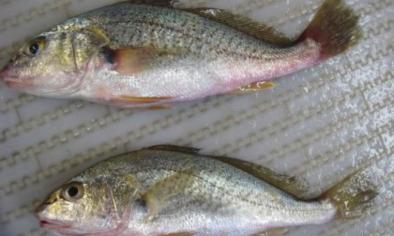
Aug 21, 2017 | NCCOS News and Features
Hypoxia Leads to Atlantic Croaker Decline in Gulf of Mexico, Models Show